
Screenwriting Diploma *New*
Learn how to write for all genres while you develop your own unique writing style. Graduate in just 18 months with a portfolio showcasing your new breadth of skills.
*New*
Program Updates Coming October 2026
For earlier intakes, please visit this page.
This program offers multiple delivery options. Students may choose to attend classes on campus, remotely through live synchronous instruction, or through a hybrid format that combines both. Students are not required to attend classes at the Toronto campus, unless enrolled in an on-campus section.
Learn Screenwriting From Real Screenwriters
Welcome to the Writers’ Room—intensive, collaborative, specialized. Work with creative peers and accomplished screenwriters. Network with industry professionals inside and outside the classroom.
Write documentaries, studio broadcasts, sitcoms, dramas, feature films and more. Learn to pitch, finance, produce, direct, market and showrun your own production. Leave with a portfolio of work that showcases your know-how and new skills to prospective employers.
Screenwriting Program Description
Career Outcomes for Screenwriting Graduates
Screenwriter
Story Editor
Editor
Producer
Director
Staff Writer
Production Executive
Studio Executive
Narrative Designer (Video Games)
Content Creator (Short Form)
Creative Producer
Content Writer
Content Editor
Copywriter
Development Coordinator
Script Coverage & Script Reader
Story Editor
UX Writer/ Content Designer (Video Games)
Web Content Specialist
Faculty
Testimonials

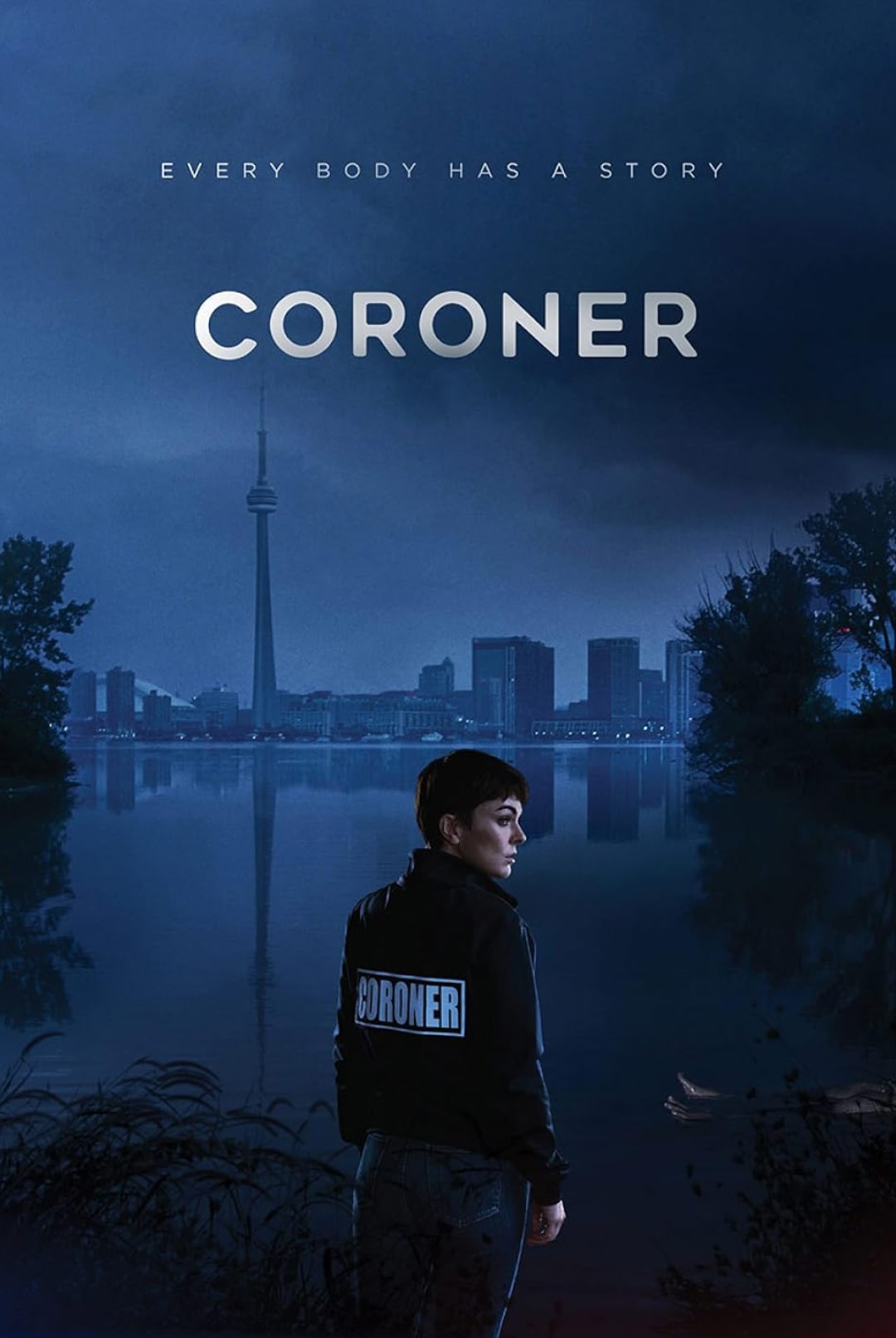
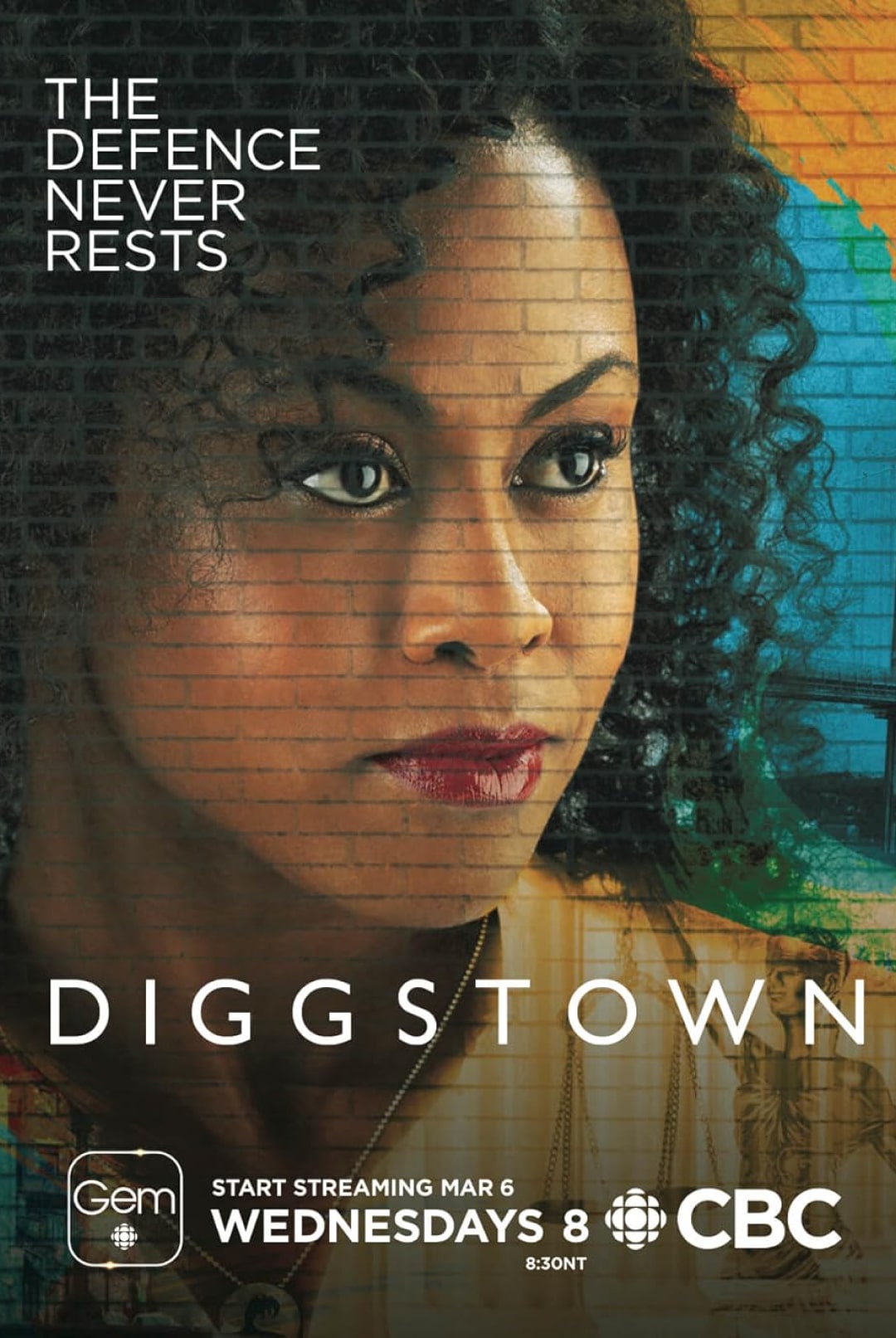
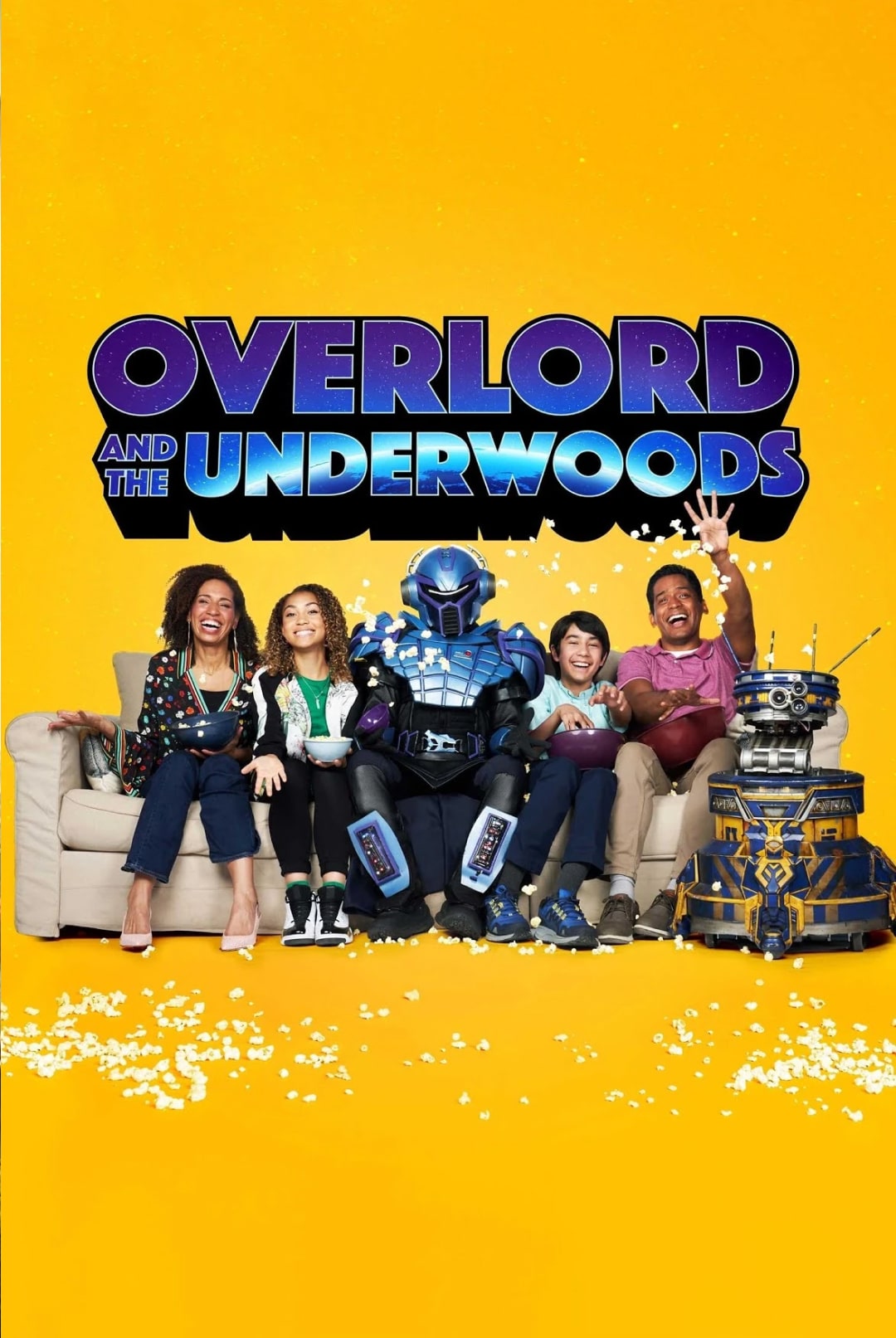
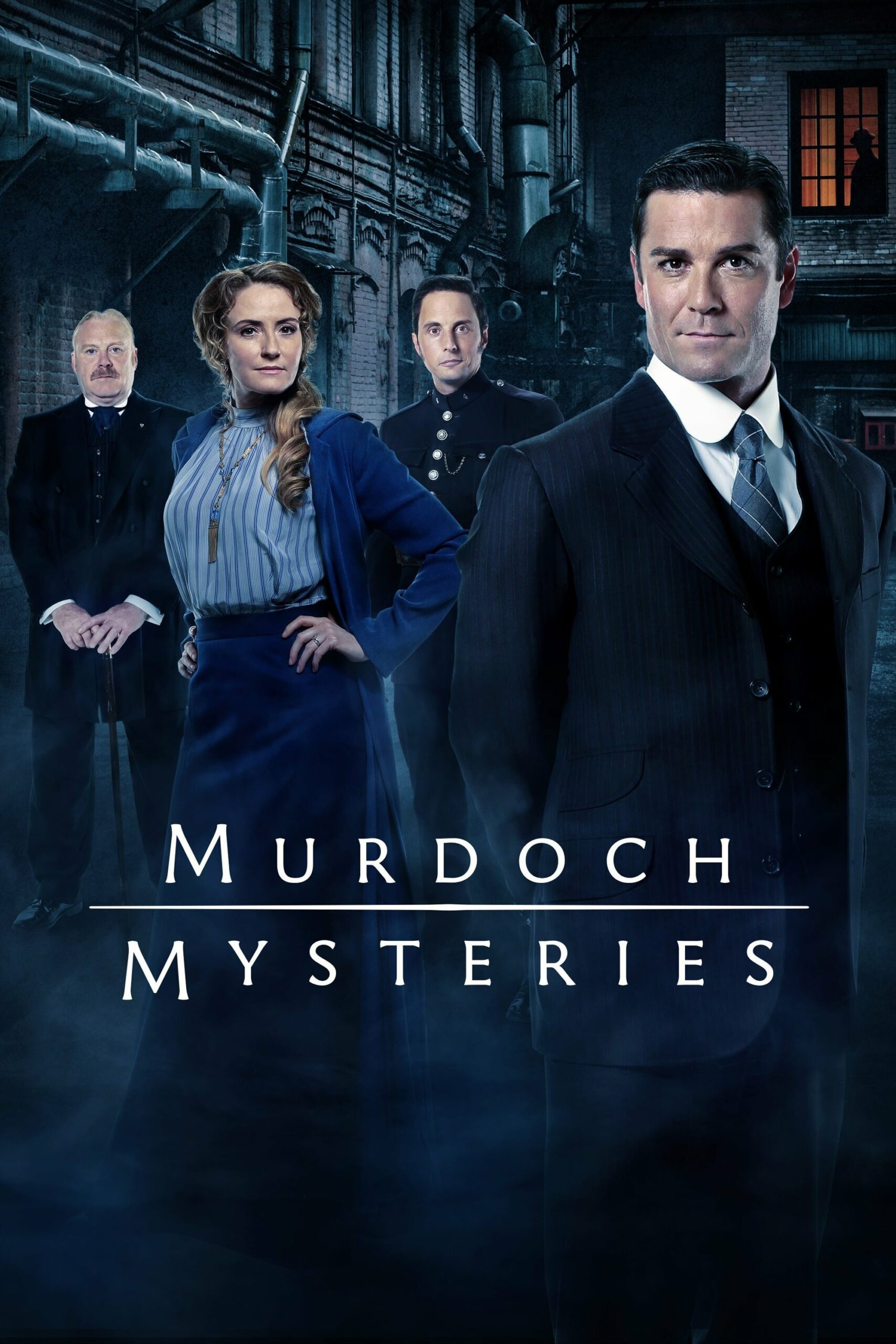
SCREENWRITING GRADS IN THE CREDITS


Screenwriting Courses
Screenwriting Courses by Term
Term 1
Intro to Editing
FTP105
This course provides students with a foundation in the art and technical aspects of editing. The course covers fundamental concepts of visual storytelling, exploring practical skills using editing software. Students gain hands-on experience with interface, editing workflows, and essential software tools. Throughout the course, students learn how to build tension and evoke emotional responses through various editing techniques. Emphasis is placed on the power of manipulating images for emotional effect and understanding editing as a storytelling tool using scripted work as its vehicle.
Film History
FTP200
This course introduces and explores the history of moving pictures from the humble beginnings of film through the present day. This course specifically focuses on the birth of film, the innovators, milestones, art, and technology as well as how the social and political environment directly influences the world of cinema and its practical execution. Upon completion of this course, students possess an understanding of cinematic history, the various genres, and the various aspects of cinematic language. This is a lecture-based course, augmented with visual teaching aids.
Production 1
SCW102
This course is designed to explore the process of producing and directing a dramatic scene, using a single-camera, film style technique. The topic of the lecture introduces all the major aspects of film production. Students illustrate how to: block a scene dynamically, setup different types of shots, create a shot list for adequate scene coverage, translate a script into a shooting script, how to schedule a shoot, how to audition, rehearse and direct actors, how to edit, and the other stages involved in completing a film. The approach is very similar to preparing and producing a typical, feature-length film.
Production 1 Studio
SCW103
This Studio course is the practical component of Production 1 and allows for hands-on, cooperative learning. Each week, students are challenged to put the theories taught in the classroom into practice in the studio in small crews. Students must complete the short film or exercise by the end of class each week under the guidance of the teacher who facilitates the optimal learning environment.
Broadcast Writing
SCW104
This course focuses on story development, and how to compose broadcast scripts that grab and hold an audience. Students identify the fundamental considerations in the production of advertisements, announcements, and corporate videos, as they examine and analyze current commercial and non-commercial broadcast pieces. Throughout the course, students build an introductory portfolio of corporate video scripts, commercials, promos, and PSA’s (public service announcements) for their professional use.
Scripts 1
SCW105
This course introduces students to the basic concepts and formatting of the screenplay. Characters are explored, as well as dialogue, scene structure, and sequences. Students create complex, layered characters with an emphasis on dialogue without story exposition. Students write a scene that imparts information and reveals character through subtext – guiding the audience through actions as subtly and naturally as possible. Story conflict within a scene is emphasized, as is the protagonist/antagonist relationship, and culminating in the ultimate scene resolution. Students also write a sequence, discussing audience expectations, and the possibility of going against these expectations to build interest and create a more compelling narrative.
Story Editing 1
SCW106
This course is a fundamental course where students learn the role of the Story Editor in the creative process, namely, how to critically analyze the scripts and development materials of others. This in turn gives students an all new perspective on their own writing. The course focuses on the collaborative process of writing and the role of notes from story editors, executives, producers, directors and even actors. Students demonstrate the ‘correct’ way to give notes both in meetings and in private, to make their point and get the best result from the writer. Introductory story analysis and the importance of creative brainstorming are stressed, as students endeavour to improve one another’s work in a professional true-to-life manner.
Student Success
SS101
This course will assist new Toronto Film School students be successful in an accelerated post-secondary learning environment. Focus will be placed on cultivating the skills and strategies that are necessary for achieving well-articulated, meaningful professional and academic goals. Topics include time management, budgeting, studying, information literacy, communication, positive decision-making, stress management, and staying motivated. Students will finish the Student Success Workshop with an actionable success strategy, knowledge of the people and resources available to them during their time at Toronto Film School, and higher confidence in their ability to succeed at Toronto Film School and beyond.
Term 2
TV History
SCW200
This course explores the history and evolution of television in America by introducing students to the structure of television content and a deep dive into the unique elements of television writing. The course analyzes the profound impact of television on society and popular culture in America, tracing key developments in television history. The course covers the early days of television, the Golden Age, ground-breaking dramas and comedies, the era of cable and satellite television, the digital age, and the rise of reality television. The course explores future trends in television content, delving into the impact of streaming services and emerging technologies, providing students with a holistic understanding of the medium’s evolution of business and content creation.
Factual Entertainment
FTP400
The course explores the process of creating, producing, and pitching series concepts, and the development stage of the unscripted (non-fiction) TV and digital industry.
Production 2
SCW202
This course builds on the skills gained in Term 1. Students are treated as professionals and are now challenged to produce and deliver quality productions on time. They learn how to produce a video that matches what they pitch to the clients. Working in groups, students produce studio-designed assignments. In addition, they use most of the studio time to shoot their approved projects. They practice scheduling and booking the studio time. The instructor acts as the studio manager and treats them on a first-come, first-serve basis. The students are responsible to use the studio time for their advantage and shoot the required 60% of their four final projects: a corporate/testimonial video, a public service announcement (PSA), a commercial, and a music video. This course has a theoretical portion and production meetings. Students expand their production knowledge and gain the skills and confidence needed to work with clients.
Pre-requisite: SCW102
Production 2 Studio
SCW203
This Studio course is the practical component of Production 2 and allows for hands-on, cooperative learning. Each week, students are challenged to put the theories taught in the classroom into practice in the studio in small crews. Students must complete the short film or exercise by the end of class each week under the guidance of the teacher who facilitates the optimal learning environment.
Pre-requisite: SCW103
Writing for Social Media
SCW204
In this course, students apply social media-specific strategies to write various assignments focusing on short-form vertical content. Other topics covered in this course include writing for the web, analytics, unique promotion styles with these platforms and podcasting. The specifics of writing for short form content, including captions, text on screen, ad reads, and podcast intros and their purpose are addressed, culminating in the creation of short form vertical video.
Scripts 2
SCW205
This course focuses on the three-act structure and story arc. Students create and highlight fundamental plot points. With this structural knowledge students create a “beat sheet” for a short film. Using this beat sheet, students discover through the next process of creating a treatment, which includes detailed information and subtext. Finally, students write the first draft of their script with a focus on rising action, tension and creating a compelling story. Students continue to tweak this script, as this is generally the screenplay submitted in their pitch/package for consideration for the Thesis projects/short films.
Pre-requisite: SCW105
Story Editing 2
SCW206
Following on Story Editing I, this course will expand on the tools needed to analyze the premise, story, characters and controlling idea of a script, and how to present concerns to the writer in the most effective way. This course will also focus on the formal written reports one might be called upon to write in the industry, and the face-to-face meetings that may be called for in the role of story editor, producer or executive. Students will learn how to do “Written Coverage” and how to present their notes in an organized form. Students will engage in more advanced analysis of each other’s work, learning not only how to give their notes “properly”, but which notes to give (and not give) to achieve the best result possible.
Pre-requisite: SCW106
Term 3
Animation and Family Show Writing
SCW300
This course introduces students to the fundamentals of writing for children’s shows, including animation. Students define what kids want in shows today and what makes a children’s show different from an adult show. This course covers educational aspects of writing for children, including being relatable and inclusive. Students describe the format for an 11-minute episode and are encouraged to develop their own voice, while creating an 11-minute spec script. Students create their own original series and pitch documents for their portfolio. This course gives students opportunities to table read and workshop their scripts.
Legal Fundamentals in Media
FTP500
This course equips students with an in-depth understanding into the legal fundamentals of the film and TV industry, as well emerging media, with a specific focus on intellectual property and contracts. The course expands on producing items related to copyright and clearance, privacy rights and defamation, and legal strategies/limitations related to underlying properties, music rights, digital assets, and other ancillary rights. Students gain insight into creative opportunities and infringement issues across diverse media formats such as internet, video, and photographs, particularly within the context of filmmaking. Additionally, students learn about distribution contracts, while exploring emerging media and technology landscapes and their implications on ownership dynamics. Through practical applications, students understand contract negotiation techniques tailored to the film and television industry and acquire foundational knowledge in accounting and taxation practices applicable to both individual professionals and production entities.
Comedy Writing 1
SCW302
This course introduces students to the fundamentals of sketch, talk-show, and sitcom writing, and to the required elements of a sitcom script. The notion of A, B & C plots are examined, as is the traditional ‘Tease-2 Acts-Tag’ structure. Students are familiarized with the language and process of television comedy writing and rewriting, as they analyze the various formats for television comedy, and study current sitcoms (animated and live-action), talk and sketch shows. Students are encouraged to develop their own comic voice and point-of-view, while preparing a series of monologues, desk jokes, sketches and a spec script of an existing sitcom, for their portfolio.
Pre-requisite: SCW206
Drama Writing 1
SCW303
This course introduces the student to the unique style and structure of dramatic television series, with a focus on storyline and story development. Plot structure, narrative unity, characterization, dialogue, exposition and setting are studied in depth, as students analyze various dramatic series currently on the air, including some children’s programming. The traditional four act structure for hour-long series is introduced, as students examine the ‘rules’ in some of their favourite series, and the regimented way in which each function. Through the course, students write a spec script for an existing dramatic series from proposal to draft, to be used as a portfolio piece after graduation.
Pre-requisite: SCW206
Feature Writing 1
SCW304
This course provides students with the tools needed to craft a premise into an effective screen story. This course focuses on how to build a story outward from the core character arc of the protagonist, and how to come up with a satisfying ending at the beginning of the writing process. A series of short assignments leads students through the fundamental building blocks that are at the heart of every successful story (protagonist’s arc; external, internal, and philosophical stakes and value systems; character functions web; Act Two obstacles) and culminates with the writing of an industry standard beat sheet.
Pre-requisite: SCW206
Term 4
Finance for Film and TV
FTP504
This course is designed to provide a comprehensive understanding of the intricacies of financing within the Canadian film and television industry. The curriculum encompasses an in-depth exploration of various types of financing available in Canada for film and TV productions, highlighting the distinctive roles played by tax credits and government agencies in the financing landscape. Case studies are used to analyze and illustrate successful financial models, with a particular focus on funding sources for both feature and short films. This course emphasizes grant writing skills, enabling students to navigate and capitalize on available grants. Students delve into the financing models employed by TV networks, with a specific examination of the Canada Media Fund (CMF).
Writing for Video Games
SCW401
This course introduces students to the unique skills needed to write narratives for video games. In this course students learn storytelling for video games; the difference between narrative design and scriptwriting, understanding the player experience and understanding the opportunities in the video game industry. This course develops an understanding of the difference between writing linear vs open world games. Students learn about lore, character, and world building, branching narratives and how to structure them culminating in creating a narrative game.
Comedy Writing 2
SCW402
This course analyses the structure, scripting, and pacing of the sitcom in greater depth. Single-camera and multi-camera shows will be examined, compared, and contrasted, as students consider the ‘trajectory’ of the sitcom in recent years. The importance of likable, well-defined characters (and knowing their ‘clowns’) and a compelling, comfortable world (with consistent rules) are stressed as students write an original sitcom pilot from proposal through the outline to draft. Students workshop ideas and table-read scripts.
Pre-requisite: SCW302
Drama Writing 2
SCW403
This course moves students from theory to practice in its focus on the writing of one-hour dramatic television. Students conceive of their ideas for an original pilot, contemplating how they want their series to function and the ‘rules’ of their world – enroute to an outline, then a draft of a pilot script. The market-driven nature of dramatic television is stressed, as students learn that writing drama demands flexibility, accommodation of external influences, understanding the audience, and most recently extending the story to digital platforms. Students workshop ideas and table-read scripts.
Pre-requisite: SCW303
Feature Writing 2
SCW404
This course further provides students with the tools needed to build a story outward from the core character arc of the protagonist to craft an effective feature film treatment. Three major assignments lead students through the development of a successful screen story, with a focus on character arc and its relationship to theme, visual storytelling, and cinematic set-pieces. The treatments developed in this class are used as the basis for the feature screenplays that are written in future courses.
Pre-requisite: SCW304
Term 5
Canadian and International Cinema
FTP600
This course focuses on the history of scripted content in Canada, offering a detailed exploration of narrative storytelling through television and film. Starting with an investigation into pioneering Canadian filmmakers and their contributions, the course then focuses on the evolution of scripted television, addressing iconic Canadian series, their impact on both national and international audiences, and the unique challenges faced by Canadian TV producers. Students study notable films and pilots, and the work of influential creators who have shaped the scripted narrative tradition in Canadian TV and film. The course also covers contemporary trends, the influence of streaming platforms, and the future prospects and challenges associated with scripted storytelling in Canada.
Dialogue Writing
SCW500
This course focuses on writing dynamic, believable, and lively dialogue. Students create characters that sound unique and distinct from one another, lending authenticity to characters. This course outlines how the words characters say help the audience understand them. Students create dialogue to reveal who their character is and what they’re made of based on the things they tell other characters. This course strengthens good habits by including practical exercises using scenes from current television shows and films. Students practice writing scenes and get the benefit of regular feedback from the instructor and classmates. This course instills the concept that dialogue is more than just characters talking.
Comedy Writing 3
SCW502
This course looks at the structure of real-world story departments. Students go through the process of brainstorming, story editing, and ‘punching up’ each other’s work in a writing room style. Students decide which of their ideas to leave and to take, all while trying to stay true to the voice of their show. Students workshop ideas and table-read scripts.
Pre-requisite: SCW402
Drama Writing 3
SCW503
In this course, students identify the ins and outs of the dramatic story department, and the skills necessary to be hired in a staff position. Students compose a consistent style and tone in their pilots. Instructors guide the process, but it is ultimately up to each student to decide which of their peers’ ideas to take, and how to best use the resources available to them to improve their script.
Pre-requisite: SCW403
Feature Writing 3
SCW504
In this course, students workshop their first drafts, rethinking and rewriting as they receive feedback from instructors and their peers. The focus is on the increased collaborative nature of feature writing today, and how to make the most of the criticism of others. The logistics of writing a commercially saleable script are examined, as is the art of producing a compelling feature adaptation from a novel or other medium. Modern story structures for current saleable genres are studied, including romantic comedies and thrillers. Students finalize pitch materials from parts I & II (log lines, synopses, etc.) so that along with a polished script, they have the short documents needed to get people interested enough to read.
Pre-requisite: SCW404
TV Movie Writing
SCW506
This course introduces students to TV Movie/ MOW (movie-of-the-week) writing. The unique structure (typically 9 acts, with an act 4 ‘twist’) and production concerns for these films are examined, as well as their atypical plot development and characterization. Subject areas include ripped-from-the-headlines adaptations, and how far the writer can/should stray from the truth to make their story as compelling as possible. Finding a story that will be saleable in today’s MOW market is emphasized, as students choose a TV Movie concept for which the story is developed across the term.
Pre-requisite: SCW206
Term 6
Showrunning and Creative Producing
SCW600
In this class students identify the differences between writing while in development vs. when in production and the role executives play throughout both. They manage a large team and the expectations of key stakeholders. Topics discussed include set etiquette, location scouting and the various other requirements that arise during the pre-production period. Students evaluate the casting process and create casting materials to find the best performers for their productions. Students are introduced to the marketplace, examine the marketing and distribution side of the creative industry. Culminating in shooting a scene from one of their original scripts.
Career Development for Writers
SCW601
This course focuses on building a career in the film & television industry, both from a business standpoint and a creative one. On the business side, how to obtain and/or deal with agents, lawyers and managers are examined, as is the role of these people in the industry and one’s career. On the creative side, the type of portfolio needed for various goals is focused on, as is the benefit of having both original and spec scripts, and the appropriate balance. Formats for pitch documents are reviewed, including log lines, synopses, treatments, bibles, and pilot scripts. Students identify pitch techniques and create submission packages to be used after graduation.
Comedy Writing 4
SCW602
In this course, students focus on the final materials for their original comedy series. Students continue to write their original sitcom pilot script and revisit their mini bible from the previous term. Students use their peers as their writing room to workshop and table read their final drafts. At the end of this course, students have a “polished” original pilot script and mini bible that is industry ready.
Pre-requisite: SCW502
Drama Writing 4
SCW603
In this course, students focus on the final materials for their original one-hour drama series. Students continue to write their original drama pilot script and revisit their mini bible from term 4. Students utilize their peers as their writing room to workshop and table read their final drafts. At the end of this term, students have a “polished” original pilot script and mini bible that is industry ready.
Pre-requisite: SCW503
Feature Writing 4
SCW604
This course guides students across the finish line of their completed feature screenplays. Each project is the subject of significant discussion, as the class contemplates relative strengths and weaknesses to date, in anticipation of the third act. Students strive to craft climax sequences and conclusions that represent the height and ultimate resolution of their script’s key dramatic tensions. Sufficient class time is reserved for full table reads, when students can evaluate their own work, and their peers’ work, by listening to it acted out loud.
Pre-requisite: SCW504
Admissions
How to Apply
1
Complete Toronto Film School’s online application form.
2
Pay the application fee of $150.
3
Provide original academic transcripts (or notarized translations) showing completion of an Ontario Secondary School Diploma or equivalent.
4
Submit two creative writing pieces:
- Examples: a short story (in prose), a short film script, a comedic sketch.
- Minimum 2 pages each, in 12-point font for prose documents. Minimum 5 pages each, in 12-point font for anything written using a screenwriting program or screenplay format.
- Check-list
5
Additional requirement for international applicants: Provide proof of English-language proficiency.
6
Additional requirement for international applicants: Provide a copy of your passport.
Please note: The admission requirements above apply to students planning to enrol in October 2026 or later.
If you intend to start before October 2026, please visit this page.
For a full breakdown of each step, see the Requirementspage.
Screenwriting Program Tuition
TUITION RATES
TUITION TYPE
COST PER TERM
TUITION MAXIMUM (6 TERMS)
Domestic
$6,300 - $6,678
$38,556
International
$9,607 - $10,905
$62,961
EQUIPMENT FEE
COST TYPE
COST PER TERM
EQUIPMENT FEE MAXIMUM (6 TERMS)
FEE
$462 - $508
$2,864
SOFTWARE FEE
COST TYPE
FEE AMOUNT
Payable to TFS
$495
Payable to Software Provider
-
TOTAL SOFTWARE FEE
$495
Please note: Tuition fees are subject to change.
Fees do not include books, expendable supplies, or additional resources. Any changes will be announced at least three months before the term they apply to.
This page outlines the updated curriculum and tuition details for students starting in October 2026 and onward.
If you plan to enrol before October 2026, please visit this page.
For questions about tuition and payment methods, contact the Bursar’s Office at 1-866-467-0661.
For financial aid information, connect with an Admissions Advisor.
FAQ
How do I contact Toronto Film School?
The most effective way to get in touch with us fast is to fill out a Request for Information form so a call with an admissions advisor can be arranged. Or, reach out to us at 1.866.467.0661 or message us on Facebook.
Why should I choose TFS's Screenwriting Diploma Program?
In this immersive program, you will learn how to write professional scripts through a modern and relevant curriculum designed to meet today’s industry expectations. Below are five reasons why you should choose this program if you’re interested in a screenwriting career.
In just 18 months, you will:
1. Learn from real screenwriters
They bring real-world experience to the classroom. Their insider knowledge will thoroughly prepare you to write, direct, produce, shoot and edit your own screenplays. You will learn the best practices for scripting documentaries, studio broadcasts, TV shows, feature films, and more. In fact, our students often secure writing jobs before they graduate.
2. Train in our studios
You’ll have access to our modern studios, along with Hollywood-grade camera gear. You’ll see how scripts come to life on set while gaining hands-on experience in producing, directing, and other key production roles. Please note that attending studio sessions in person is optional.
3. Enjoy networking opportunities and make industry connections
We understand that building professional relationships is crucial to your success in the creative world. That’s why this program is jam-packed with networking events and collaborative opportunities.
4. Learn the business
We’ll demystify the process by equipping you with a solid understanding of the business side of the industry too.
5. Graduate industry ready
You will graduate confident, connected, and ready in just 18 months—with a portfolio of work that can be used to showcase your screenwriting skills to studios, networks, and potential clients.
If you’re ready to start writing, get in touch with us now. Soon, you could be embarking on a thrilling 18-month journey. One that will see you become a fully trained screenwriter.
What does 'Flexible' program delivery mean?
As a student, you have the option to learn on campus, remotely through synchronous learning, or through a combination of both.
Does Toronto Film School have official recognition?
Yes. Toronto Film School is a career college regulated by the Ministry of Colleges, Universities, Research Excellence and Security.
Upon completion of this program, you will graduate with a diploma.
What is the length of your Screenwriting Diploma Program?
The program is 18 months in duration (6 terms).
Will I get any studio experience during the Screenwriting Diploma Program?
Yes. Our Screenwriting Diploma Program provides for a practical curriculum that will see you start to develop your stories and characters in Term One.
You will get hands–on time in our studio where you will work on short film assignments with a small crew. Please note that attending studio sessions in person is optional.
As a student, are there any opportunities for networking within the program?
Our instructors are working, accomplished professionals. Leading the way is our school president, Emmy and Golden Globe winner Andrew Barnsley. You may have opportunities to participate in TFS Fest, volunteer at festivals and industry events like TIFF, attend special screenings and be provided with collaboration opportunities with students from other programs at TFS.
Our Screenwriting Diploma Program is a fantastic way to forge valuable relationships, ones that can shape your future career.
Are there any prerequisites for enrolling in TFS's Screenwriting Diploma Program?
As part of our application process, you will need to submit at least two creative writing pieces.
– Examples: a short story (in prose), a short film script, a comedic sketch.
- Minimum 2 pages each, in 12-point font for prose documents. Minimum 5 pages each, in 12-point font for anything written using a screenwriting program or screenplay format.
You can read more about our prerequisites for this program on our Admission Requirements page.
Can I apply to this program if I am an international student?
Absolutely! At Toronto Film School, we welcome students from all around the world. As an international student, you’ll need to meet a few additional admission requirements, such as providing proof of English-language proficiency.
For more information, please contact us at [email protected] with your questions.
What are the criteria for passing your Screenwriting Diploma Program?
You must complete 1704 instructional hours. You must have a 1.7 Cumulative Grade Point Average (CGPA) in the 4.3 scale or better.
Any course with a grade W or F must be retaken in order to graduate.
Is there an online alternate to the Screenwriting Diploma Program?
There is, you could opt for the fully online Writing for Film & TV Associate Diploma Program at Toronto Film School at Yorkville University, NB. Learn part time, at your own pace—through asynchronous learning.
How much does your Screenwriting Diploma Program cost?
For our most up-to-date tuition fees, please visit our Tuition & Payment Options page.
There is a non-refundable application fee of $150.
Payment options are available, just reach out to us so we can work something out.
Check out our Bursaries and Financial Aid page.
Tuition fees do not include books, expendable supplies, certain equipment and resources. Tuition and fees are subject to change.
Is financial aid available for this program?
We understand that funding your education can be a challenge. But there are several bursary and financial aid options for our applicants.
Canada Student Loans and Grants
Apply for loans or grants via your home province or territory. Loans generally have no interest during study and require payments only post-graduation. Grants, which are not repaid, are usually offered to students from low to middle-income families, those with disabilities or dependents, or part-time students.
Ontario Student Assistance Program (OSAP)
If you are an Ontario resident, you can apply to OSAP for a student loan or grant. This financial assistance can also help you to cover basic living expenses, supplies, tuition, and books. Here’s a link to apply.
Student Assistance Programs for All Other Provinces
You can find a list of all student aid offices through the Government of Canada website.
Bursaries
Toronto Film School offers several bursary options. For a complete list, check out this link.


The Toronto Film School Blog
Explore the latest industry news, student profiles, alumni success stories, event reports and content specific to your career interests.