
From Military Service to Game Development | TFS Grad Eric Milroy Reflects on Journey
In This Article
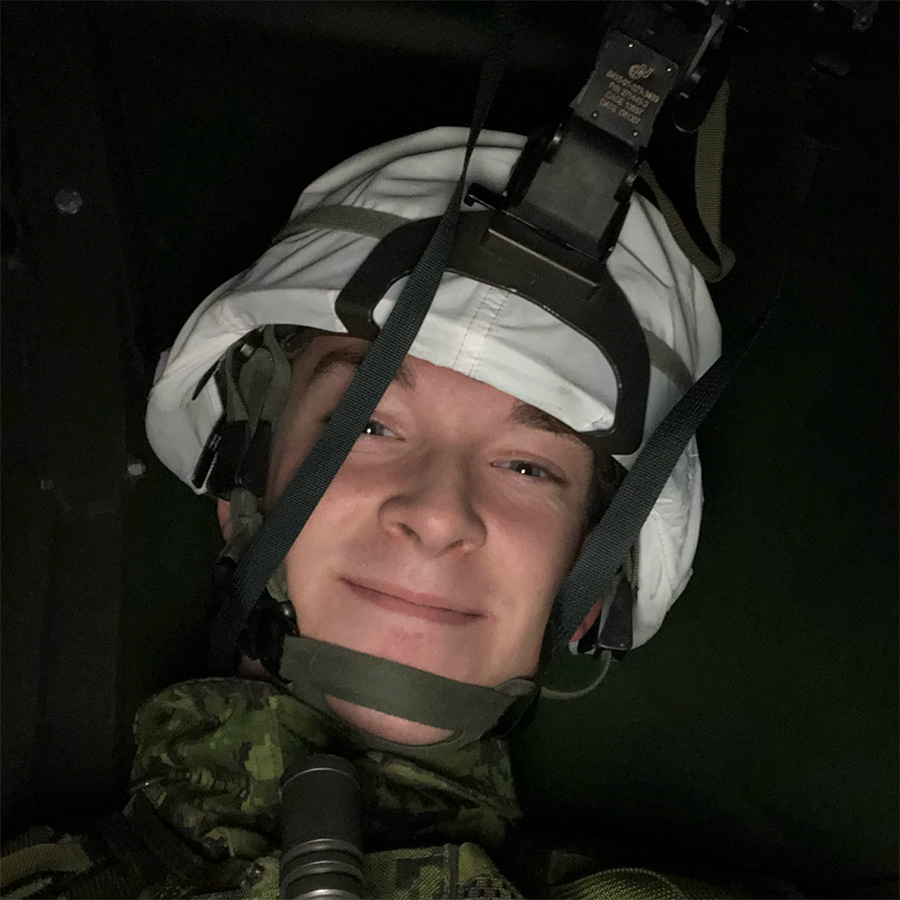
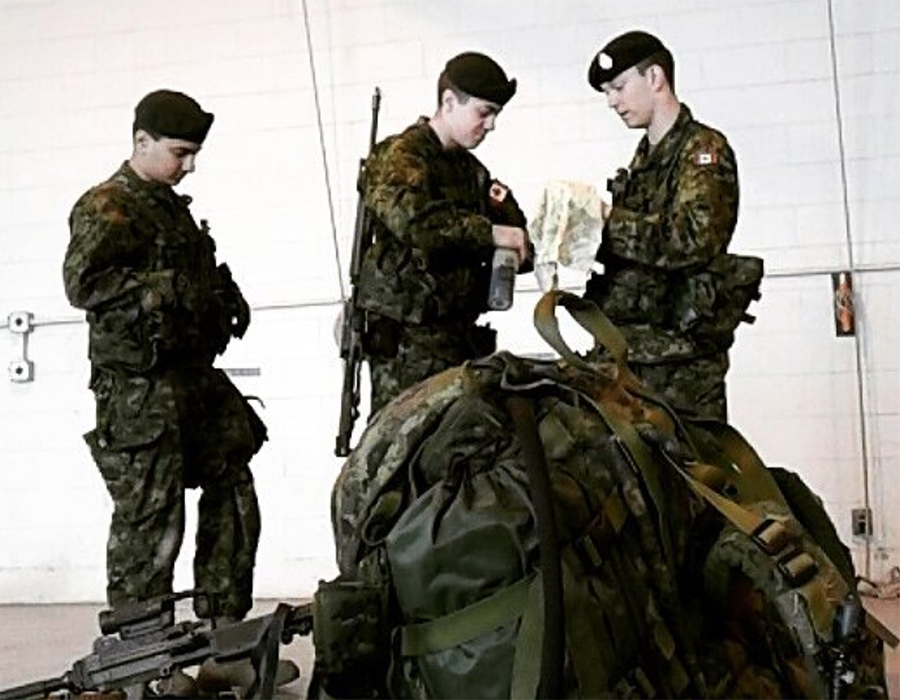
When Eric Milroy joined the Canadian Armed Forces Reserves as a teenager, he was inspired in part by a family history of military service. Over the next five years, he gained experience in communications, computer technology and IT support – developing technical skills and leadership experience that would serve him well beyond his time in uniform.
After leaving the military, Milroy began thinking about how to turn his lifelong interest in gaming into a career. He soon discovered that the problem-solving abilities and experience leading teams he had developed in the Armed Forces could translate to an entirely different field: video game development.
A 2026 graduate of Toronto Film School’s Video Game Design & Development program, Milroy is now bringing those experiences together as he takes his first steps toward a career in the creative industry.
A Family Legacy of Service
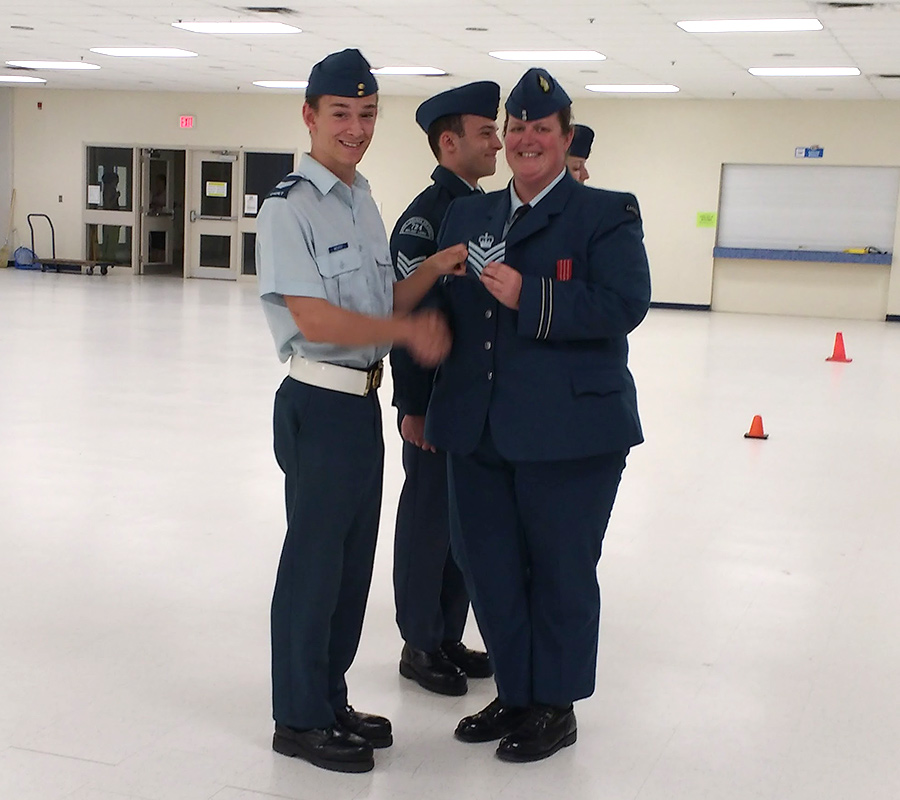
Milroy’s connection to the military began well before he enlisted. He joined the Air Cadets at 11, an experience that helped shape his early interests. In high school, a co-op opportunity offered two possible paths into the Canadian Armed Forces: radio technician or armoured reconnaissance. He chose the radio technician program and began the enlistment process at 17.
He also had a personal reason for wanting to serve. Both of his great-grandfathers had been in the military. His great-grandfather on his father’s side served as a Second World War tanker and was at Juno Beach. His great-grandfather on his mother’s side was an officer.
“I figured I’d join just to kind of honor their legacy in a sense,” Milroy said.
He served in the Reserves from 2017 to 2022 as an Army Communications and Information Systems Specialist. While he initially worked with radios, helping transmit messages and maintain communications, he later took a three-year Class B contract in Edmonton, where his role shifted toward computer technology.
Working with computer hardware and software, and eventually servers, introduced Milroy to an area that would influence his next career move.
“I ended up doing some work with servers, and that really got me interested in computer work in general,” he said.
Turning Technical Skills into a New Career
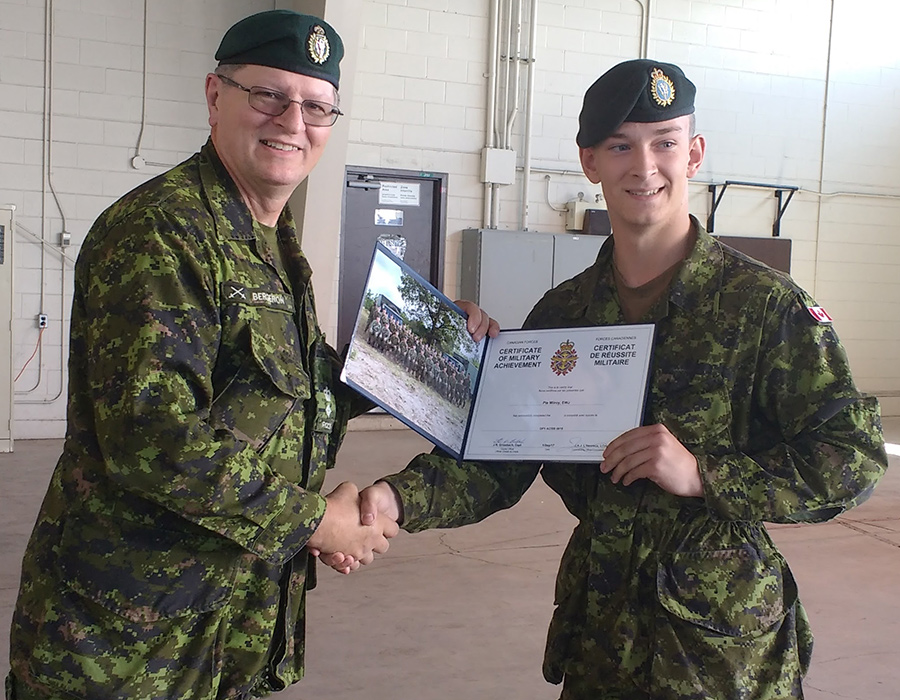
After leaving the military in 2022, Milroy took time to consider what he wanted to do next, working briefly as a finance clerk for a military unit before deciding to pursue something that combined his technical interests with a passion he had held since childhood.
“I’ve played video games all my life, so I thought maybe I should just start making them,” he said.
Although programming was relatively new to him, much of the technical work involved in game development felt familiar to him. His military experience had included help desk support, guiding colleagues through computer issues, repairing hardware, troubleshooting software, working with servers and using PowerShell scripting.
Those experiences gave him a foundation for the Video Game Design & Development program at Toronto Film School. After discovering the program through an online ad, Milroy contacted the school to confirm that he could study remotely. Living in the Barrie area, he wanted to make sure he could complete the program online.
He applied and received an acceptance within a few weeks. Starting in April 2025, he worked through courses that covered programming, 3D modelling, branding, grants, Unreal Engine and Unity. Milroy appreciated the range of subjects, particularly the opportunity to explore different aspects of game development.
“I was really happy with how spread out the program was in case you wanted to do something else,” he said.
His graduating class’s capstone project, Anchorbound: Into the Mire, was recently showcased at VGLX (Video Game Live Expo) – a fan-first gaming convention packed with playable demos, esports, indie games and more – where he had the opportunity to watch attendees play the game.
“Quite a few people that stopped by, which was great, and there was a group of kids that kept coming back because they really liked the frog character, and I was like, that’s awesome.”
From Military Teams to Creative Teams
One of the most significant ways Milroy’s military experience carried over into his studies was through leadership.
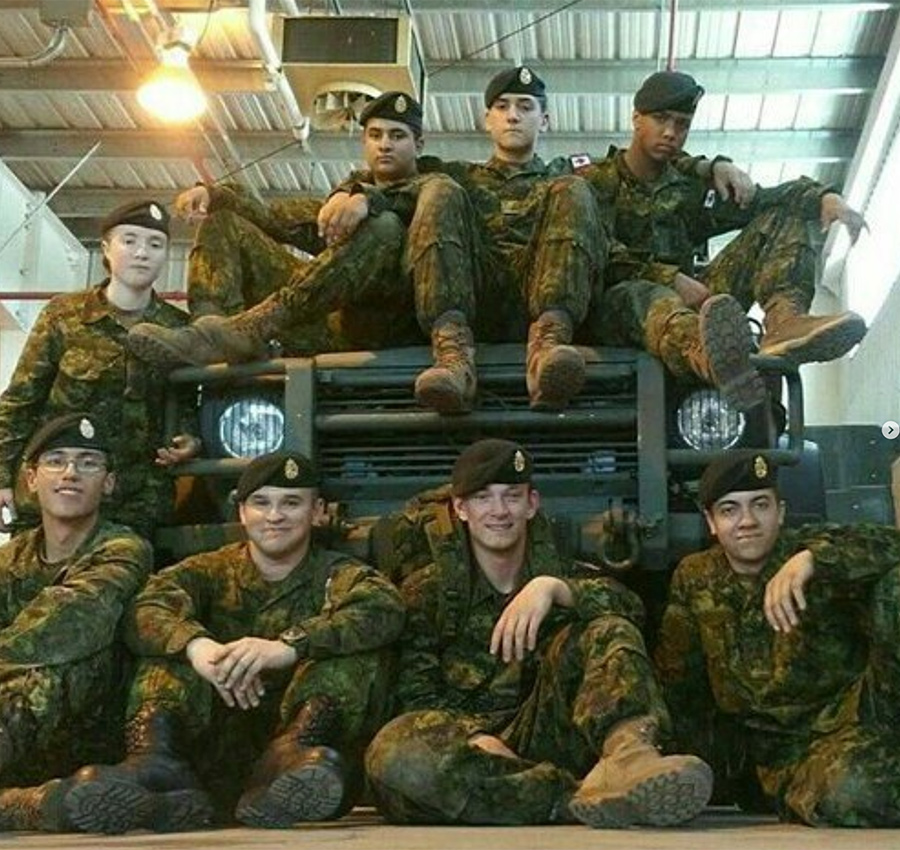
During his time in Edmonton, he’d been responsible for a small team of five people, assigning tasks related to computer setups, software updates and gathering information about equipment across the base.
That experience came in handy when he took on the role of producer for Anchorbound. Beginning around November 2025, he helped coordinate the capstone group’s work, track their milestones and keep the project moving forward.
“Because of my time leading other teams in the military, having people run teams of like updating computers and such with new software, it was quite easy for me to just jump into the role and start leading the team as producer,” he said.
But he soon discovered that managing a creative project presented a different set of challenges than overseeing technical tasks.
“I’ve found that leading a creative project as opposed to just a management project is an entirely different beast,” he said.
Where a technical assignment might have a clearly defined outcome, a creative project can take many directions, with team members bringing different ideas and perspectives to the process.
The experience also helped Milroy recognize strengths he had developed through working with others in the military.
“I’ve learned that I am very good with people,” he said, reflecting on the connection between his service and his capstone experience. “I think had I not had my experience in the military in terms of working with others under stress, I don’t think we would have pulled off our capstone game as well as we did.”
Giving Back Through Peer Tutoring
Milroy also found an opportunity to support other students during his time at TFS through the Peer Tutoring program.
Earlier this year, he began tutoring students in Unreal Engine and C programming, later taking on mathematics tutoring for students in their first term. For Milroy, teaching turned out to be a way to strengthen his own understanding of the material.
“I always like teaching others. I find one way for me to learn is though teaching other people,” he said.
Whether helping classmates work through programming concepts or explaining the mathematics behind game design, he enjoyed being able to share what he had learned and help others build confidence in their studies.
Milroy also accessed Toronto Film School’s Canadian Armed Forces Bursary, which honours active and recently retired members by waiving the application fee and providing a 25 per cent tuition deduction on their program of choice.
“The Canadian Forces bursary was very helpful,” Milroy said.
Looking Ahead
Now a TFS graduate, Milroy is looking to begin his career in the game development industry – exploring opportunities in the Toronto area, while also keeping an open mind about possibilities in Montreal and Quebec City.
Eventually, he hopes to create a horror game of his own, drawing inspiration from one of his favourite films, the 1979 science-fiction classic Alien. For now, he is open to opportunities across the industry and eager to continue learning about the many different ways games are made.
Looking back, he sees a clear thread connecting his experiences – from his early work with military communications to computer technology and, ultimately, programming.
“Starting with radios and then moving on to computers and now programming, I found there’s a definite pattern in what I’m interested in,” he laughed
Remembering and Supporting Those Who Serve
With a family history of military service and five years of his own experience in the Reserves, Remembrance Day holds personal significance for Milroy.
He sees it as an opportunity for people to reflect on the sacrifices made by those who served, including those who did not have a choice in the circumstances that brought them into military service.
“I personally have family ties as well as my own personal ties to Remembrance Day. I believe it’s a time where everybody should be thinking back and reflecting,” he said, encouraging people to recognize the day in meaningful ways, including wearing a poppy and taking time to consider the experiences of veterans and those currently serving.
For Milroy, that recognition also extends to the importance of supporting the mental health well-being of service members.
During his time in Edmonton, being away from family and friends – particularly during the COVID-19 pandemic, when travel home for the holidays was not possible – gave him a greater appreciation for the importance of mental health support.
He encourages anyone experiencing difficulties to reach out to people they trust: “Talk to a padre, talk to friends, talk to mental health professionals, literally anybody,” he urged. “It’s best to share a burden when you can and when you feel comfortable doing so.”
___________________________________________________
Veteran Resources
Support is available to Canadian Armed Forces members, Veterans and their families.
- Mental health resources: The Atlas Institute for Veterans and Families provides evidence-based information, tools and resources focused on Veteran and family mental health.
- 24/7 psychological support: Veterans, former RCMP members and their families can contact the Veterans Affairs Canada Assistance Service at 1-800-268-7708 for free, confidential support from a mental health professional.
- Peer support: The Operational Stress Injury Social Support (OSISS) program connects CAF members, Veterans and their families with peers who understand the challenges associated with operational stress injuries.

